
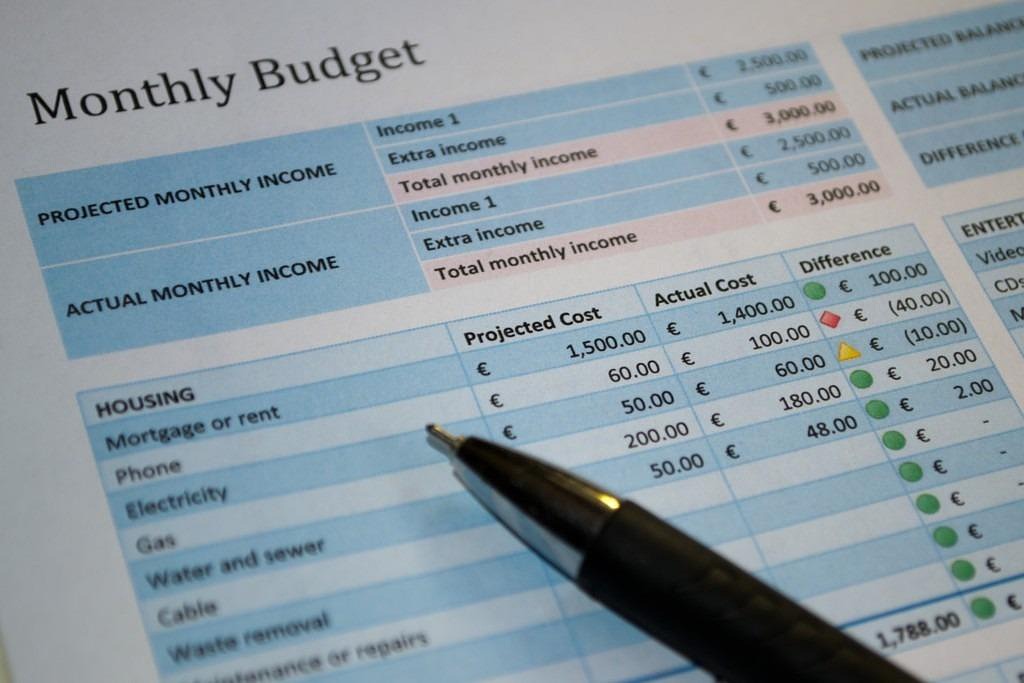
Introduction
Managing money can feel overwhelming, especially when bills, daily expenses, and unexpected costs keep showing up. Many people know they should budget, but they are not sure where to start or how to create a plan they can actually follow.
A monthly budget is one of the most effective tools for taking control of your finances. It helps you understand where your money comes from, where it goes, and how much you can save for future goals. A good budget is not about restricting yourself from enjoying life. Instead, it is about making intentional decisions with your money.
Whether you are trying to save more, reduce financial stress, pay off debt, or simply understand your spending habits, learning how to create a budget is an important skill.
In this guide, you will learn what a monthly budget is, why it matters, and how to build a simple budgeting system that fits your life.
What Is a Monthly Budget?
A monthly budget is a plan for how you will use your money during a specific month. It compares your income with your expenses and helps you decide where your money should go.
Think of it as a roadmap for your finances. Instead of wondering where your money disappeared at the end of the month, you already have a plan for every major spending category.
A monthly budget typically includes:
- Income
- Housing costs
- Utilities
- Food
- Transportation
- Savings
- Debt payments
- Personal spending
- Entertainment
For beginners, budgeting creates awareness. Many people spend money without tracking it, which often leads to overspending. A budget helps prevent that by giving every dollar a purpose.
Why Creating a Monthly Budget Is Important
Budgeting offers several benefits that can improve your financial life.
Better Spending Control
A budget helps you see exactly how much money you can spend in different categories. This makes it easier to avoid unnecessary purchases.
Reduced Financial Stress
When you know your bills are planned for and your expenses are organized, money worries often become easier to manage.
Improved Saving Habits
Budgeting allows you to set aside money consistently instead of saving only when something is left over.
Clearer Financial Planning
Whether you want to build an emergency fund, buy a laptop, pay school fees, or prepare for future expenses, budgeting helps you create a realistic plan.
Better Decision-Making
Knowing your financial situation helps you make smarter spending choices and avoid impulse purchases.
Step 1: Know Your Monthly Income
Before creating a budget, you need to know exactly how much money comes in each month.
Fixed Income
If you receive the same salary every month, calculating your income is straightforward. Use the amount you actually receive after deductions if possible.
Irregular Income
Some jobs provide different amounts each month. In this case, review your earnings from the past several months and calculate an average.
Freelance Income
Freelancers should estimate monthly income based on typical earnings rather than expecting the highest-paying month every time.
Business Income
Business owners can use average monthly profits rather than total sales revenue.
Side Income
Include money earned from side gigs, tutoring, online work, delivery services, or other additional income sources.
For example:
| Income Source | Monthly Amount |
|---|---|
| Salary | $2,000 |
| Freelance Work | $300 |
| Side Gig | $200 |
| Total Income | $2,500 |
Knowing your total monthly income provides the foundation for your budget.
Step 2: List Your Fixed Expenses
Fixed expenses are costs that stay relatively consistent each month.
These expenses are usually easier to plan for because they do not change often.
Common examples include:
- Rent or mortgage
- Internet service
- Insurance premiums
- Subscription services
- Loan payments
- School fees
- Phone bills
- Childcare costs
For example:
| Fixed Expense | Amount |
| Rent | $700 |
| Internet | $50 |
| Phone Bill | $30 |
| Insurance | $100 |
| Loan Payment | $120 |
Because fixed expenses are predictable, they should be among the first items included in your budget.
Step 3: List Your Variable Expenses
Variable expenses change from month to month.
These categories often provide the greatest opportunity for adjustment if you need to reduce spending.
Examples include:
- Groceries
- Transportation
- Electricity
- Water bills
- Personal care
- Entertainment
- Dining out
- Clothing
- Social activities
For example, you might spend:
- $250 on groceries one month
- $300 the next month
- $220 another month
Reviewing past bank statements or receipts can help you estimate realistic amounts for these categories.
Step 4: Separate Needs From Wants
One of the most useful budgeting skills is learning the difference between needs and wants.
Needs
Needs are essential expenses required for daily living.
Examples include:
- Housing
- Basic food
- Transportation to work
- Utilities
- Insurance
- Medical expenses
Wants
Wants improve comfort or enjoyment but are not necessary for survival.
Examples include:
- Streaming subscriptions
- Dining out
- Premium phone upgrades
- Designer clothing
- Entertainment purchases
- Luxury travel
For instance:
A basic grocery purchase is a need.
Ordering expensive takeout several times a week is generally a want.
Understanding this difference helps you make smarter spending decisions when money is tight.
Step 5: Choose a Simple Budgeting Method
There is no single budgeting method that works for everyone. Choose one that feels easy to maintain.
The 50/30/20 Rule
This popular method divides income into three categories:
- 50% for needs
- 30% for wants
- 20% for savings and debt repayment
For someone earning $2,000 monthly:
- Needs: $1,000
- Wants: $600
- Savings and debt: $400
Zero-Based Budgeting
With this approach, every dollar receives a specific purpose.
Income minus planned expenses should equal zero.
This does not mean spending everything. Savings also receive a designated amount.
Simple Category Budgeting
This beginner-friendly method involves setting spending limits for each category.
Examples:
- Groceries: $300
- Transportation: $150
- Entertainment: $80
Many beginners find this method easy to understand and follow.
Step 6: Set a Savings Goal
One common budgeting mistake is saving only after spending everything else.
Instead, treat savings as an important budget category from the beginning.
Possible savings goals include:
- Emergency fund
- School fees
- Rent deposit
- Laptop purchase
- Vacation or travel
- Home improvements
- Future family expenses
For example:
If you want to save $600 for a laptop in six months, you would need to save approximately $100 each month.
Breaking larger goals into smaller monthly amounts makes them feel more achievable.
Step 7: Track Your Spending During the Month
Creating a budget is only the first step. Following it requires tracking your spending.
You can use several methods:
Notebook
Write down every purchase as it happens.
Spreadsheet
Create categories and update spending regularly.
Budgeting Apps
Many apps automatically categorize transactions and help you monitor progress.
Bank Records
Review account statements regularly to see where your money goes.
Phone Notes
A simple note-taking app can work surprisingly well for tracking expenses.
You may also like: How to Track Your Daily Expenses Without Stress
The goal is not perfection. The goal is awareness. Small spending habits become easier to manage when you can clearly see them.
Step 8: Review and Adjust Your Budget Monthly
No budget is perfect the first time.
At the end of each month, review:
- What worked well
- Where you overspent
- Which categories need adjustment
- Whether your savings goals were realistic
For example:
If you budgeted $200 for groceries but consistently spend $260, increasing that category may make more sense than constantly feeling like you failed.
Budgeting is a process of learning and improving over time.
Common Budgeting Mistakes to Avoid
Even good budgets can fail if common mistakes are ignored.
Creating an Unrealistic Budget
Setting extremely low spending limits often leads to frustration and abandonment.
Forgetting Small Expenses
Small purchases such as snacks, coffee, delivery fees, and app subscriptions add up over time.
Ignoring Irregular Bills
Annual memberships, school expenses, maintenance costs, and holiday spending should be planned for in advance.
Not Tracking Spending
Without tracking, it is difficult to know whether you are following your budget.
Not Saving First
Waiting until the end of the month to save often leaves little or nothing available.
Avoiding these mistakes can make your budget far more effective.
Practical Monthly Budget Example
Let’s look at a simple example.
Monthly income: $2,500
| Category | Amount |
| Needs | $1,250 |
| Wants | $500 |
| Savings | $400 |
| Debt Repayment | $350 |
| Total | $2,500 |
Needs may include:
- Rent
- Utilities
- Food
- Transportation
Wants may include:
- Entertainment
- Dining out
- Hobbies
Savings could go toward:
- Emergency fund
- Future purchases
- Education goals
Debt repayment could include:
- Student loans
- Personal loans
- Credit card balances
This example is not a rule. It simply demonstrates how money can be organized intentionally.
Frequently Asked Questions
1. How much should I save each month?
The amount depends on your income, expenses, and goals. Even small amounts saved consistently can build momentum over time. The most important thing is creating a habit of saving regularly.
2. What if my income changes every month?
Use an average of your recent income and create your budget around conservative estimates. Prioritize essential expenses first and adjust discretionary spending when income fluctuates.
3. Do I need a budgeting app?
No. Many successful budgets are managed with notebooks, spreadsheets, or simple phone notes. Choose the method you are most likely to use consistently.
4. How often should I review my budget?
A monthly review works well for most people. However, checking your spending weekly can help you identify problems before they grow.
5. What should I do if I exceed my budget?
Do not give up. Review the category where overspending occurred, understand the reason, and adjust your plan for next month. Budgeting is about improvement, not perfection.
Finance Disclaimer
This article is for educational and informational purposes only and should not be considered professional financial advice.
Conclusion
Learning how to create a monthly budget that actually works does not require complicated tools or advanced financial knowledge. The key is understanding your income, tracking your expenses, separating needs from wants, and setting realistic goals.
Start with a simple plan. List your income, identify your expenses, choose a budgeting method that fits your lifestyle, and track your spending throughout the month. As you gain experience, your budgeting skills will improve and become more natural.
Remember that budgeting is not about restricting every dollar you spend. It is about making informed decisions and using your money in a way that supports your priorities. Small improvements made consistently can lead to stronger financial habits and greater confidence in managing your finances over time.