Introduction
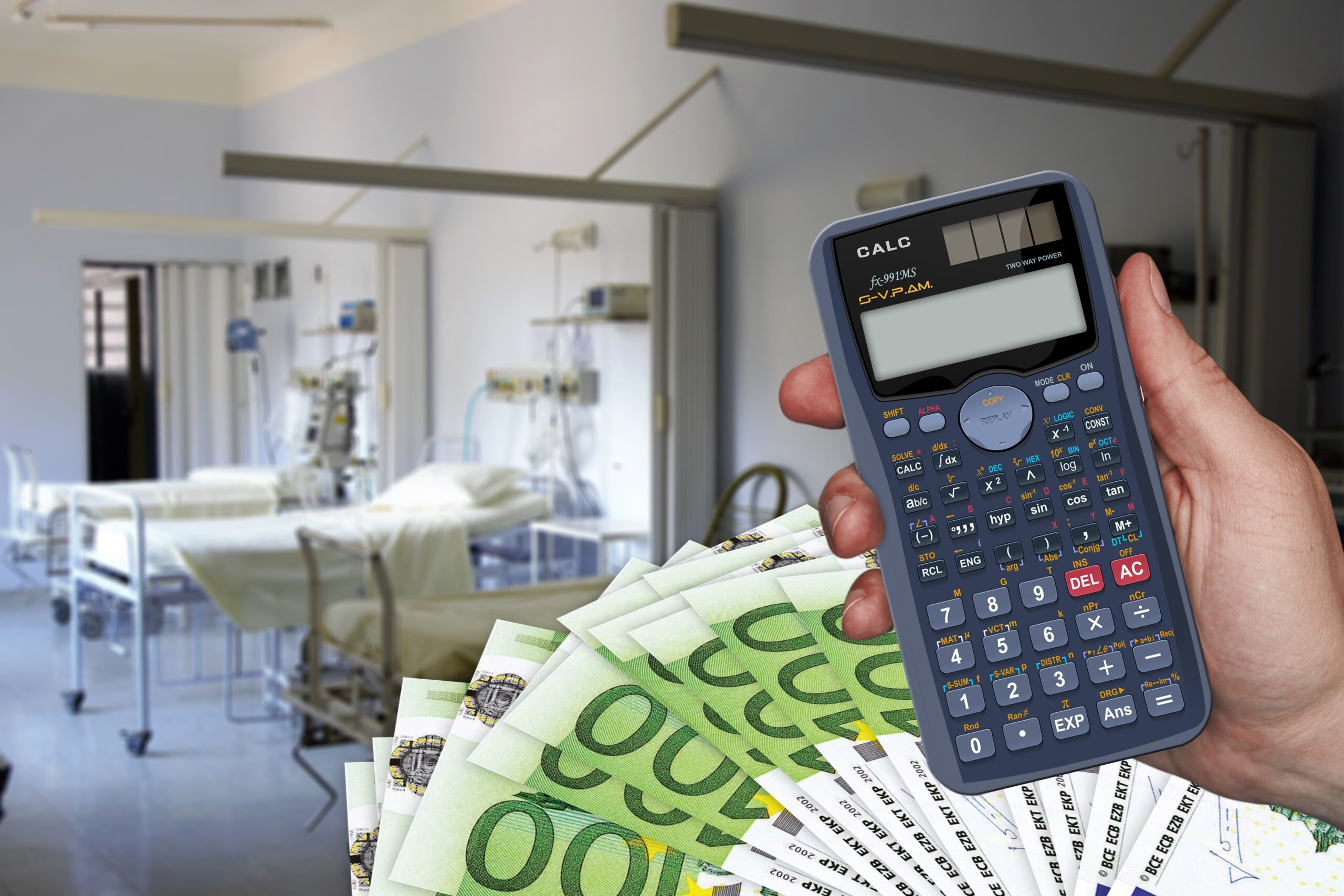
Life is full of surprises. Some surprises are exciting, while others can create financial stress. A sudden medical bill, an unexpected car repair, a temporary loss of income, or an urgent home repair can quickly disrupt even the most carefully planned budget.
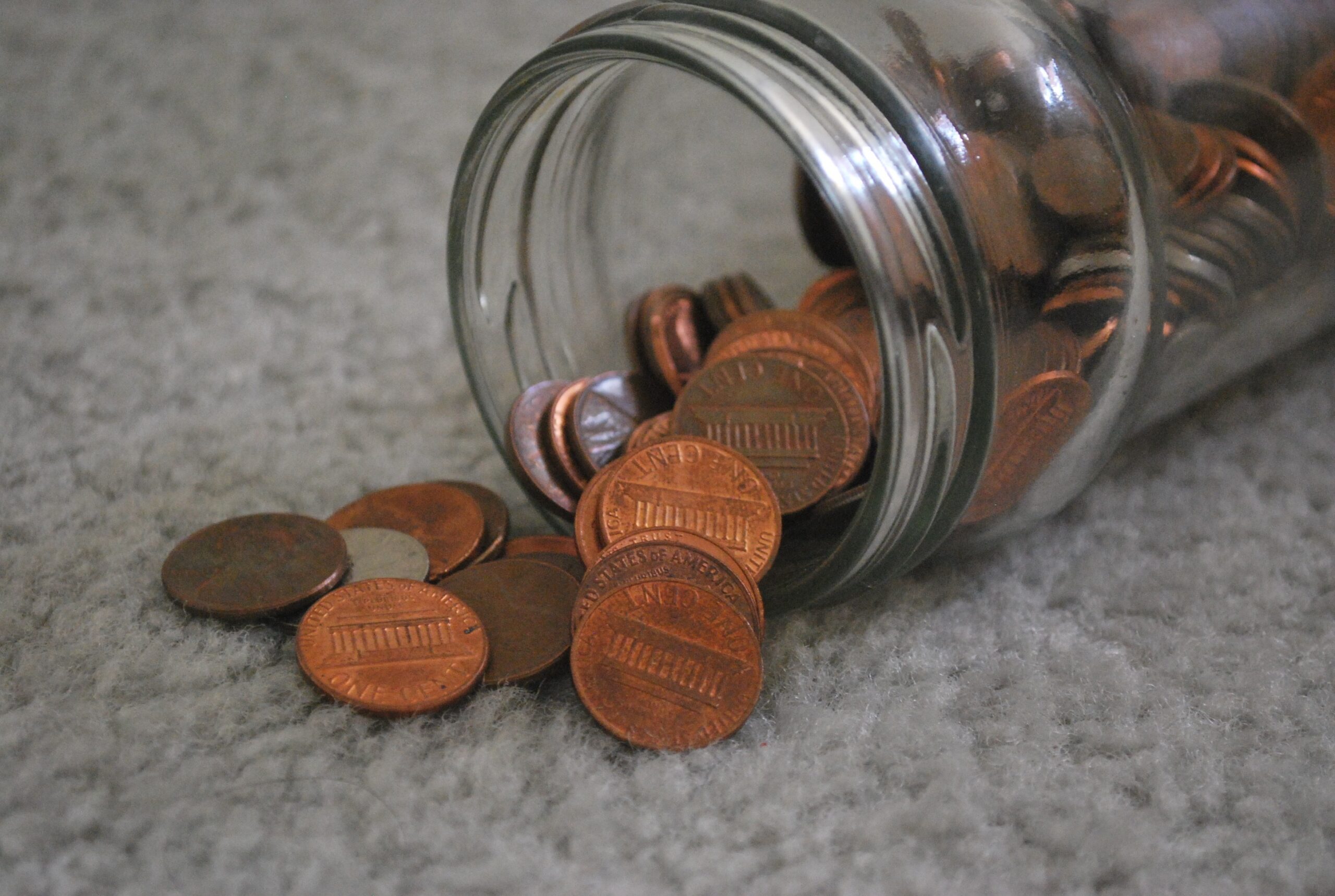
This is where an emergency fund becomes important. An emergency fund is money set aside specifically for unexpected expenses that cannot be planned in advance. It acts as a financial safety net that helps you handle difficult situations without relying entirely on credit cards, loans, or borrowed money.
Many people understand the importance of saving but are unsure how much they should save or where to start. The good news is that building an emergency fund does not require a large income or perfect financial habits. What matters most is starting with a realistic goal and building consistently over time.
In this guide, you’ll learn what an emergency fund is, why it matters, how much you may want to save, and practical steps for building your emergency savings gradually.
What Is an Emergency Fund?
An emergency fund is money reserved specifically for unexpected and important financial situations.
Unlike regular savings, emergency savings are not intended for everyday spending or planned purchases.
Think of an emergency fund as financial protection.
Its purpose is to help cover expenses when life does not go according to plan.
Examples include:
- Emergency medical expenses
- Urgent home repairs
- Unexpected car repairs
- Temporary loss of income
- Sudden travel for family emergencies
The money should remain available for situations that genuinely require immediate financial support.
An emergency fund is not meant to cover routine expenses that can be anticipated and planned for in advance.
Why an Emergency Fund Is Important
Building emergency savings provides several benefits.
Helps Cover Unexpected Costs
Unexpected expenses happen to almost everyone.
Without savings, these costs often create financial strain.
Reduces Reliance on Debt
Many people turn to credit cards or loans when emergencies occur.
An emergency fund can reduce the need to borrow money.
Protects Your Monthly Budget
Unexpected costs can disrupt carefully planned budgets.
Emergency savings help absorb those financial shocks.
Provides Peace of Mind
Knowing you have money set aside for emergencies can reduce financial stress and uncertainty.
Supports Financial Stability
Emergency savings provide flexibility during difficult periods and help prevent minor setbacks from becoming major financial problems.
What Counts as a Real Emergency?
Understanding what qualifies as an emergency is important.
Not every unexpected expense should come from your emergency fund.
Examples of genuine emergencies include:
Medical Bills
Unexpected healthcare costs often require immediate attention.
Urgent Home Repairs
Repairs involving safety or essential living conditions may require emergency funds.
Examples:
- Major plumbing issues
- Heating system failures
- Roof damage
Car Repairs
If a vehicle is necessary for work or daily responsibilities, urgent repairs may qualify.
Job Loss
Emergency savings can help cover expenses during periods of unemployment.
Sudden Travel Needs
Unexpected travel for serious family situations may require emergency funds.
Temporary Income Loss
Freelancers, business owners, or gig workers may experience sudden income interruptions.
These situations are often appropriate reasons to use emergency savings.
What Should Not Be Treated as an Emergency?
It is equally important to understand what usually does not qualify as an emergency.
Examples include:
Shopping
Buying new clothes, electronics, or household items generally should not come from emergency savings.
Vacations
Travel plans are typically predictable and should be budgeted separately.
Entertainment
Concert tickets, gaming purchases, and recreational spending are not emergencies.
Luxury Purchases
Premium upgrades and luxury items are generally wants rather than emergencies.
Non-Urgent Wants
Many purchases feel urgent in the moment but can often be delayed.
Protecting your emergency fund helps ensure it remains available when truly needed.
How Much Should You Save in an Emergency Fund?
One of the most common questions is:
“How much emergency savings do I need?”
The answer depends on factors such as:
- Income
- Monthly expenses
- Family responsibilities
- Job stability
- Health considerations
- Personal financial situation
There is no universal number that works for everyone.
Someone with lower expenses may need less than someone supporting a larger household.
The most important thing is starting with a realistic target rather than becoming overwhelmed by a large goal.
Start With a Small Emergency Fund Goal
Many beginners assume they must save thousands of dollars immediately.
This belief often causes discouragement.
Instead, consider starting with a smaller target.
Examples include:
- $100
- $250
- $500
- One month of essential expenses
A small emergency fund can still provide meaningful protection.
For example:
A $250 emergency fund could help cover:
- Minor medical expenses
- Unexpected transportation costs
- Small household repairs
Small goals are often easier to achieve and can build confidence for larger goals later.
Calculate Your Essential Monthly Expenses
To determine a longer-term emergency fund goal, calculate your essential monthly expenses.
Focus on necessities rather than discretionary spending.
Common categories include:
Housing
- Rent
- Mortgage payments
Food
- Basic groceries
Transportation
- Fuel
- Public transportation
Utilities
- Electricity
- Water
- Internet
- Phone service
Healthcare
- Insurance
- Prescriptions
Debt Payments
- Minimum required payments
For example:
| Essential Expense | Monthly Amount |
|---|---|
| Rent | $800 |
| Food | $300 |
| Transportation | $150 |
| Utilities | $150 |
| Healthcare | $100 |
| Debt Payments | $200 |
| Total | $1,700 |
In this example, essential monthly expenses total $1,700.
Build Toward 3 to 6 Months of Essential Expenses
A common long-term emergency fund goal is saving enough to cover three to six months of essential expenses.
Using the previous example:
Monthly essentials: $1,700
Three months:
- $5,100
Six months:
- $10,200
These numbers may seem large initially.
That is perfectly normal.
Remember that emergency savings are often built gradually over time.
The goal is progress, not perfection.
Many people begin with smaller milestones and continue building as their financial situation improves.
Where Should You Keep Your Emergency Fund?
Emergency savings should be stored somewhere that is:
- Safe
- Separate from daily spending
- Easy to access when needed
Common options include:
Savings Accounts
Many people use dedicated savings accounts for emergency funds.
Separate Bank Accounts
Keeping emergency savings separate can reduce spending temptation.
Other Low-Risk Savings Options
Some people prefer other secure and accessible options that prioritize preserving their savings.
The primary goal is accessibility and safety rather than maximizing returns.
Emergency funds should remain available when needed.
How to Build an Emergency Fund Step by Step
Building emergency savings becomes easier when broken into manageable steps.
Step 1: Set a Goal
Choose a realistic target.
Examples:
- $100
- $500
- One month of expenses
Step 2: Save Regularly
Contribute small amounts consistently.
Step 3: Reduce Unnecessary Expenses
Identify spending that provides little value and redirect that money toward savings.
Step 4: Save Extra Income
Use bonuses, gifts, tax refunds, or side income to accelerate progress.
Step 5: Automate Savings If Possible
Automatic transfers can simplify the saving process.
Step 6: Track Your Progress
Monitoring progress helps maintain motivation.
Small, consistent contributions often lead to significant results over time.
Simple Emergency Fund Example
Consider someone with these monthly essentials:
| Category | Amount |
|---|---|
| Rent | $700 |
| Groceries | $250 |
| Utilities | $120 |
| Transportation | $130 |
| Phone | $50 |
| Debt Payments | $150 |
| Total Essential Expenses | $1,400 |
A beginner emergency fund plan might look like:
First Goal
Save $500
Next Goal
Save one month of expenses:
$1,400
Long-Term Goal
Save three to six months of expenses:
$4,200 to $8,400
Breaking large goals into smaller milestones makes them more achievable.
Common Mistakes to Avoid
Saving Too Much Too Fast
Aggressive goals can become discouraging.
Mixing Emergency Savings With Spending Money
Keeping savings separate helps reduce temptation.
Using the Fund for Wants
Emergency funds should be reserved for genuine emergencies.
Not Replacing Money After Using It
Rebuilding should begin after emergency expenses occur.
Giving Up Too Early
Building savings takes time and patience.
Avoiding these mistakes can help protect your progress.
How to Rebuild Your Emergency Fund After Using It
Many people feel discouraged after using emergency savings.
However, using your emergency fund for a legitimate emergency is exactly what it is designed for.
The key is rebuilding afterward.
Review the Situation
Understand how much was used and why.
Set a New Target
Focus on replacing the withdrawn amount.
Resume Regular Contributions
Even small deposits help rebuild momentum.
Look for Extra Saving Opportunities
Bonuses, gifts, or temporary income increases can accelerate recovery.
Using your emergency fund responsibly is not a setback—it is evidence that the fund served its purpose.
Practical Tips for Growing Your Emergency Fund
Save Small Amounts Weekly
Small weekly contributions can add up surprisingly quickly.
Cut One Unnecessary Expense
Redirect the savings toward your emergency fund.
Save Bonuses and Refunds
Unexpected money can provide a valuable boost.
Use a Separate Account
Separation helps protect emergency savings.
Review Progress Monthly
Regular reviews help maintain motivation and identify improvement opportunities.
Consistency is often more important than the amount saved.
Related Post
You may also like: How to Save Money Every Month Even on a Low Income
Frequently Asked Questions
1. How much should I save before calling it an emergency fund?
Even a small amount can qualify as an emergency fund. Many beginners start with $100, $250, or $500 before working toward larger goals.
2. Should I use my emergency fund for vacation expenses?
Generally, no. Vacations are usually planned expenses and should be saved for separately from emergency funds.
3. What if I can only save a few dollars each week?
That is perfectly acceptable. Consistent small contributions are often more sustainable than large, irregular deposits.
4. Where is the best place to keep an emergency fund?
Many people choose a separate savings account or another safe and accessible location that keeps the money available when needed.
5. What should I do if I need to use my emergency fund?
Use it for legitimate emergencies when necessary, then create a plan to gradually rebuild it afterward.
Finance Disclaimer
This article is for educational and informational purposes only and should not be considered professional financial advice.
Conclusion
An emergency fund is one of the most valuable financial tools you can build. It provides protection against unexpected expenses, reduces reliance on debt, helps preserve your budget, and creates greater peace of mind.
The most important lesson is that you do not need to start with a large amount. Small, consistent contributions can gradually grow into a meaningful financial safety net. Whether your first goal is $100, $500, or one month of essential expenses, every step forward strengthens your financial stability.
Start where you are, save what you can, protect the money for real emergencies, and continue building over time. Progress may be gradual, but the financial confidence that comes from having emergency savings is worth the effort.