Introduction
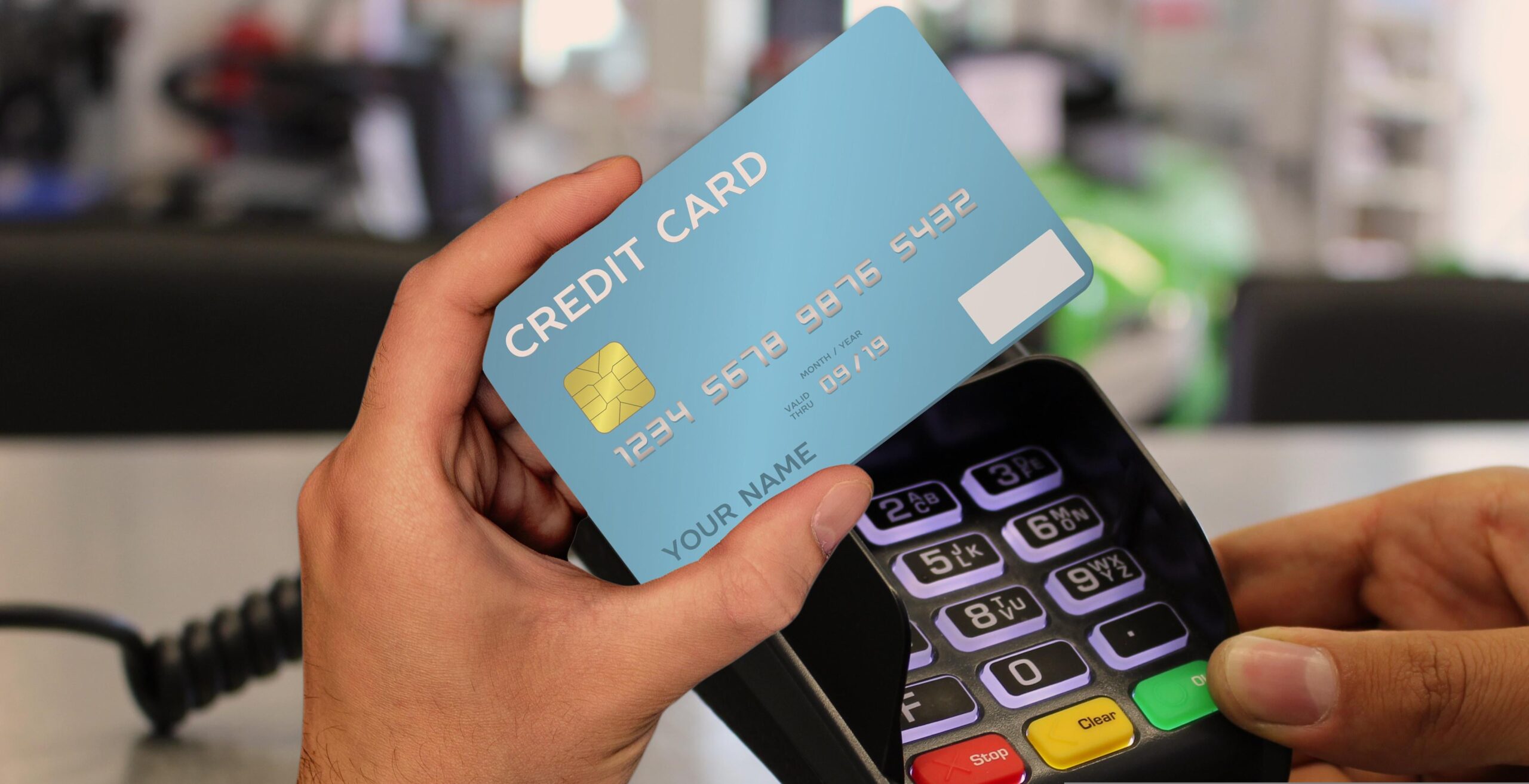
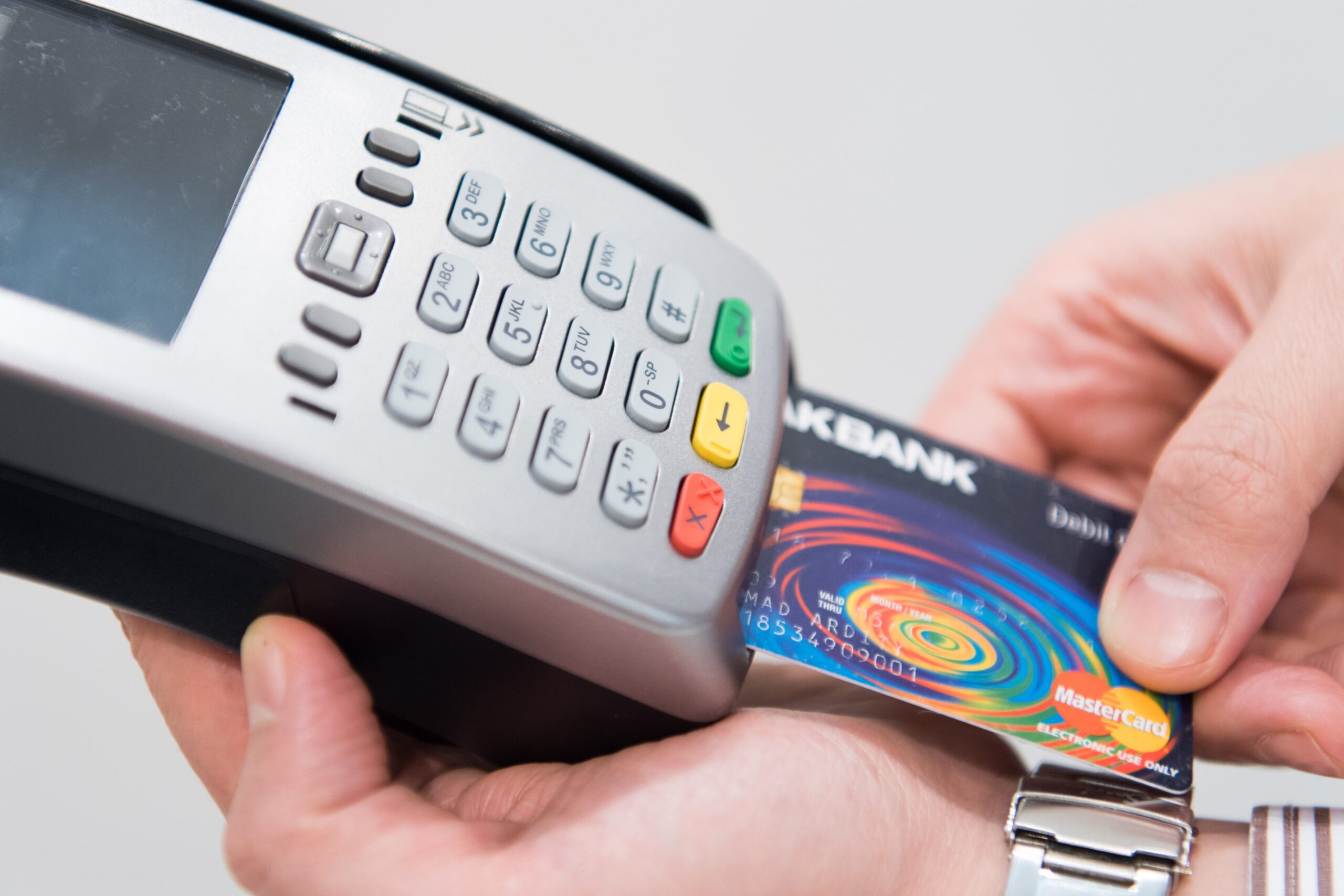
Credit cards can be useful financial tools when used responsibly. They can make purchases more convenient, help manage cash flow, and provide access to credit when needed. However, for beginners, credit cards can also create financial challenges if they are not fully understood.
Many people make credit card mistakes because they assume a credit card is simply extra spending money. Others may not understand interest charges, payment due dates, fees, or the long-term consequences of carrying large balances. These misunderstandings can lead to debt, financial stress, and difficulty managing future borrowing.
The good news is that most credit card problems are avoidable. By learning how credit cards work and understanding common mistakes before they happen, you can make smarter financial decisions and use credit more confidently.
In this guide, you’ll learn the most common credit card mistakes beginners make, why these mistakes happen, and practical ways to use credit cards more responsibly.
Why Credit Card Mistakes Happen
Most credit card mistakes happen because people are unfamiliar with how credit works.
Some common reasons include:
Not Understanding Interest
Many beginners focus on the purchase itself without considering borrowing costs.
Using Credit for Wants
It can be tempting to use a credit card for entertainment, shopping, or impulse purchases.
Missing Due Dates
Without reminders or planning, payment dates can be overlooked.
Overspending
A credit limit may feel like available money, even though it must eventually be repaid.
Treating Credit as Extra Income
One of the most common misunderstandings is believing that a credit card increases your income.
Credit cards can be useful, but only when users understand their responsibilities.
What Is a Credit Card?
A credit card is a financial tool that allows users to borrow money up to an approved limit and repay it later according to the card agreement.
When you use a credit card:
- The card issuer pays for the purchase.
- You agree to repay the borrowed amount.
- Repayment follows specific terms and deadlines.
For example:
If you buy a $100 item using a credit card, you are borrowing $100 and agreeing to repay it according to the card’s terms.
Credit cards are not free money. They are a form of borrowing.
Understanding this concept is essential for avoiding common mistakes.
Mistake 1: Treating a Credit Card Like Extra Income
Perhaps the most common credit card mistake is viewing the credit limit as additional income.
For example:
If you earn:
- $2,000 per month
And your credit card limit is:
- $1,000
Your income is still $2,000.
The extra $1,000 is borrowed money that must eventually be repaid.
Treating credit as income can encourage overspending and create repayment difficulties later.
A credit card should be viewed as a financial tool, not a source of additional earnings.
Mistake 2: Spending More Than You Can Afford to Repay
It is easy to make purchases when immediate payment is not required.
However, spending beyond your repayment ability can create problems.
For example:
Buying several expensive items with the intention of paying later may seem manageable at first.
But when the bill arrives, repayment may become stressful if sufficient money is not available.
Before using a credit card, consider:
- Can I realistically repay this purchase?
- Does it fit within my budget?
Responsible spending starts with realistic repayment expectations.
Mistake 3: Paying Only the Minimum Every Month
Many credit card statements include a minimum payment requirement.
Paying the minimum usually keeps the account in good standing.
However, paying only the minimum may leave balances outstanding for a longer period.
As a result:
- Debt may take longer to reduce
- Additional borrowing costs may accumulate
- Financial progress may feel slower
Whenever possible and affordable, many people aim to pay more than the minimum amount.
The important thing is understanding that minimum payments are not necessarily the fastest path to reducing balances.
Mistake 4: Missing Payment Due Dates
Missing payment deadlines is another common beginner mistake.
This may happen because:
- People forget the date
- Bills are not organized
- Payment reminders are not set
Possible consequences can include:
- Late fees
- Additional stress
- Account complications
- Credit history concerns, depending on the lender and location
Simple solutions include:
- Calendar reminders
- Automatic payments (when appropriate)
- Budget reviews
- Monthly payment tracking
Paying on time is one of the most important habits for responsible credit card use.
Mistake 5: Ignoring Interest Rates and Fees
Many beginners focus on spending but pay little attention to costs associated with the card itself.
Important charges may include:
Interest Charges
Interest may apply to unpaid balances according to the card agreement.
Annual Fees
Some cards charge yearly fees.
Late Payment Fees
Missed payments may result in additional charges.
Cash Advance Fees
Using certain credit features may involve extra costs.
Other Service Charges
Depending on the provider, additional fees may apply.
Reading the fee schedule and understanding card costs can help prevent surprises.
Mistake 6: Using Credit Cards for Impulse Purchases
Credit cards make spending quick and convenient.
Unfortunately, convenience can encourage impulse buying.
Common triggers include:
Emotional Spending
Stress, boredom, or excitement may influence purchases.
Social Pressure
Friends, advertising, or social media may encourage unnecessary spending.
Online Shopping
One-click purchases can make spending feel effortless.
Convenience
The ease of using a card may reduce awareness of how much is being spent.
Creating a waiting period before non-essential purchases can help reduce impulsive decisions.
Mistake 7: Maxing Out the Credit Limit
Maxing out a credit card means using most or all of the available credit limit.
For example:
If your limit is:
- $1,000
And your balance reaches:
- $1,000
You have used the entire available limit.
This can create challenges because:
- Repayment becomes more difficult
- Financial flexibility decreases
- Unexpected expenses become harder to manage
Maintaining reasonable spending levels can help avoid these issues.
Mistake 8: Applying for Too Many Credit Cards Too Quickly
Some people apply for multiple credit cards within a short period.
While each situation is different, having too many accounts can become difficult to manage.
Challenges may include:
- Multiple due dates
- Increased temptation to spend
- Greater complexity
- More fees or account requirements
For beginners, simplicity often makes credit management easier.
Mistake 9: Not Reading the Card Agreement
Many people accept a credit card without fully reviewing the terms.
Important details often include:
- Interest rates
- Payment requirements
- Due dates
- Fees
- Penalties
- Special conditions
Understanding these terms helps users make informed decisions.
Never assume all credit cards operate the same way.
Reading the agreement carefully can prevent misunderstandings later.
Mistake 10: Not Tracking Credit Card Spending
Because payments occur later, credit card purchases can feel less noticeable than cash spending.
This makes tracking especially important.
Methods include:
- Budgeting apps
- Bank account monitoring
- Spreadsheets
- Spending journals
- Monthly statement reviews
Regular tracking helps maintain awareness and prevents balances from growing unexpectedly.
Simple Credit Card Example for Beginners
Consider a simple example.
Sarah wants to buy a pair of work shoes costing $80.
She uses her credit card because she has already budgeted for the purchase.
| Item | Amount |
|---|---|
| Work Shoes | $80 |
| Credit Card Charge | $80 |
| Planned Repayment | $80 |
| Payment Made on Time | Yes |
| Remaining Balance | $0 |
In this example:
- The purchase was planned.
- Sarah tracked the expense.
- She repaid the amount according to her plan.
This demonstrates a simple and responsible use of credit.
How to Use a Credit Card More Responsibly
Good habits can reduce the risk of credit problems.
Use the Card for Planned Purchases
Avoid treating credit as free money.
Set Payment Reminders
Use calendar alerts or financial apps.
Keep Balances Manageable
Spend only what you can reasonably repay.
Pay on Time
Meeting deadlines helps avoid unnecessary complications.
Track Spending
Monitor purchases regularly.
Avoid Unnecessary Debt
Consider whether each purchase truly needs to be financed.
Responsible habits create a stronger financial foundation.
Common Warning Signs of Credit Card Problems
Recognizing warning signs early can help prevent larger issues.
Examples include:
Using Credit Because Cash Is Gone
Regularly relying on credit for basic expenses may indicate financial strain.
Missing Payments
Repeated missed due dates deserve attention.
Borrowing From One Card to Pay Another
This may signal repayment difficulties.
Feeling Stressed About Balances
Financial stress often indicates the need for a review of spending habits.
Not Knowing the Total Amount Owed
Losing track of balances can make debt harder to manage.
Early action is often easier than waiting for problems to grow.
Related Post
You may also like: How to Reduce Debt Step by Step Without Feeling Overwhelmed
Frequently Asked Questions
1. What is the biggest credit card mistake beginners make?
One of the most common mistakes is treating a credit card like extra income rather than borrowed money that must be repaid.
2. Is paying the minimum amount enough?
Paying the minimum may help keep an account current, but balances may remain for longer periods. Understanding your repayment options is important.
3. Why is it important to pay on time?
Paying on time can help avoid late fees, reduce stress, and support responsible account management.
4. Should I track every credit card purchase?
Yes. Tracking purchases helps maintain awareness of spending and prevents balances from becoming larger than expected.
5. How can I avoid impulse purchases on my credit card?
Consider waiting before making non-essential purchases, creating a budget, and reviewing whether the item fits your financial priorities.
Finance Disclaimer
This article is for educational and informational purposes only and should not be considered professional financial advice.
Conclusion
Credit cards can be useful financial tools, but understanding common credit card mistakes is essential for avoiding unnecessary debt and financial stress. Mistakes such as treating credit as income, overspending, paying only the minimum, missing due dates, ignoring fees, and failing to track purchases can create challenges that are often avoidable.
The key to responsible credit card use is simple: understand the terms, spend carefully, track your purchases, pay on time, and borrow only what you can reasonably afford to repay. By developing these habits early, beginners can use credit cards with greater confidence and reduce the risk of long-term financial problems.
Remember, a credit card is a financial tool. Used responsibly, it can support your financial goals. Used carelessly, it can create unnecessary obstacles. Knowledge and planning make all the difference.